What short-sightedness actually looks like
Drag the prescription from −0.50 D to −8.00 D and watch the bottom line of the chart disappear. It is the quickest way to explain why someone can't read the board — or the bus number.
Loading the sample…
Vision condition
0% shows the full simulation; 100% shows the full original. Arrow keys, Home and End also work.
What this comparison means
Current setting—
What it can explain
How detail and contrast fall away in the same scene as the prescription increases.
What it cannot explain
It cannot measure eyesight, produce a prescription or predict one person's exact view.
Processed in this page
Your photo is not uploaded. A file is downloaded only when you ask for one.
The same scene through other eyes
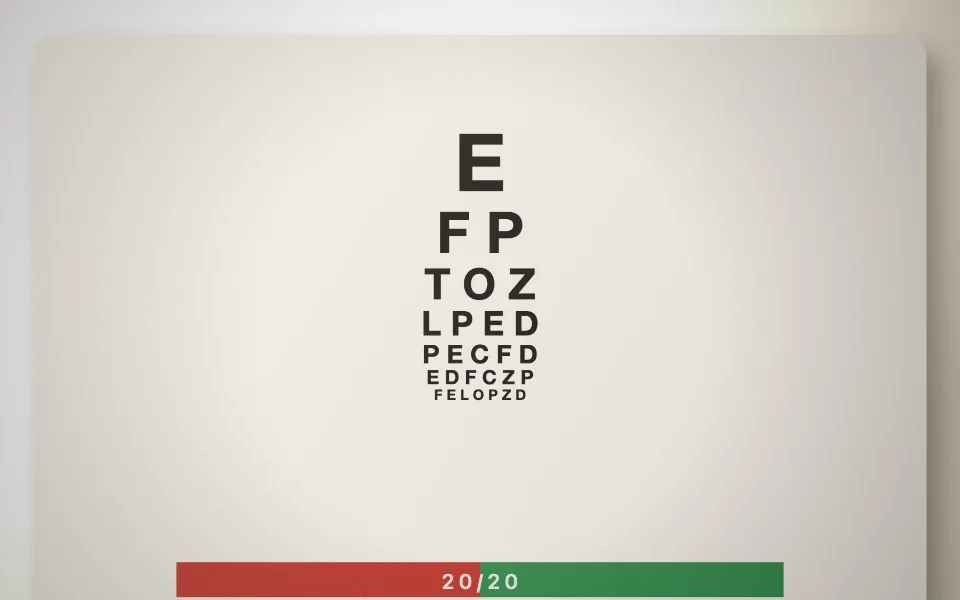
Typical vision 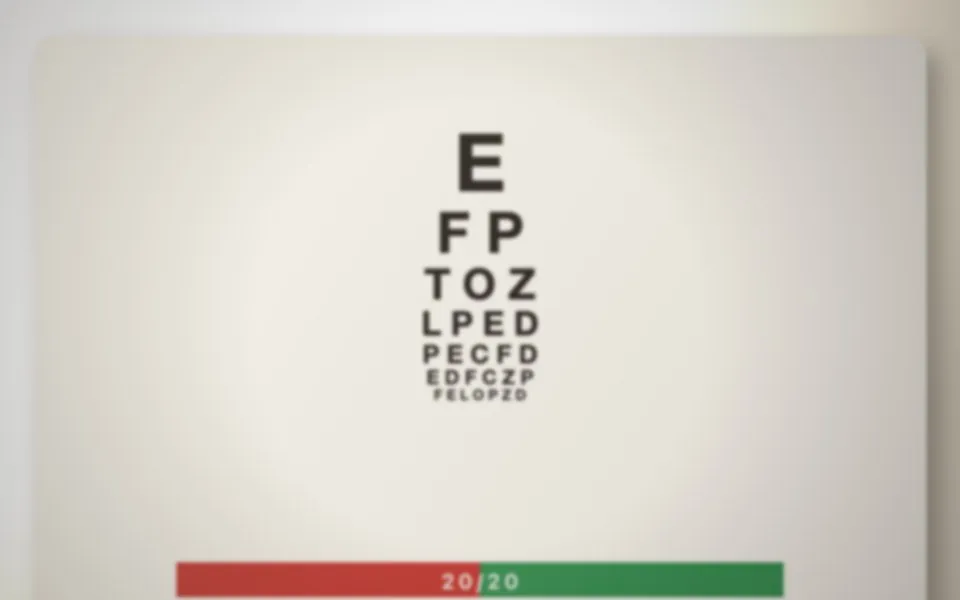
Myopia 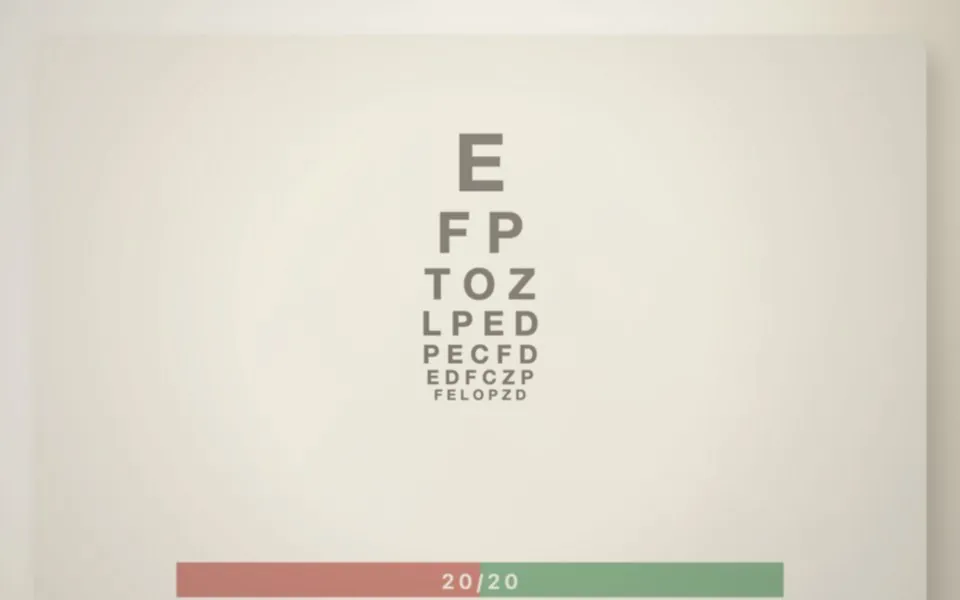
Cataract
Questions about this simulator
How accurate is this simulation?
It applies a consistent optical blur model to one image. It makes loss of detail easier to discuss, but it cannot reproduce every person's vision or a calibrated viewing distance.
Is this an eye test?
No. It does not measure eyesight, diagnose or produce a prescription, and it cannot replace an examination by an optometrist or ophthalmologist.
How does the prescription value relate to the picture?
The slider uses the size of a negative (short-sighted) prescription: 4.00 on the control is shown as −4.00 D. Larger values increase the simulated defocus for distant objects.
What is the difference between myopia and astigmatism?
Myopia softens detail in every direction. Astigmatism smears edges more strongly along one axis, so letters can look stretched or doubled rather than only blurred.
Is my photo uploaded?
No. It is processed in this page's memory, and a file is downloaded only when you press download.
Other simulators
 Colour vision simulatorCheck whether red, green or blue information survives a colour-vision difference.
 Cataract & glaucoma simulatorLower contrast, yellowing and glare, or edges closing in — explained without a diagnosis.
- World Sight Day: −6.00 DA ready-made −6.00 D eye chart for classrooms and campaigns.
Want it live, through your camera?
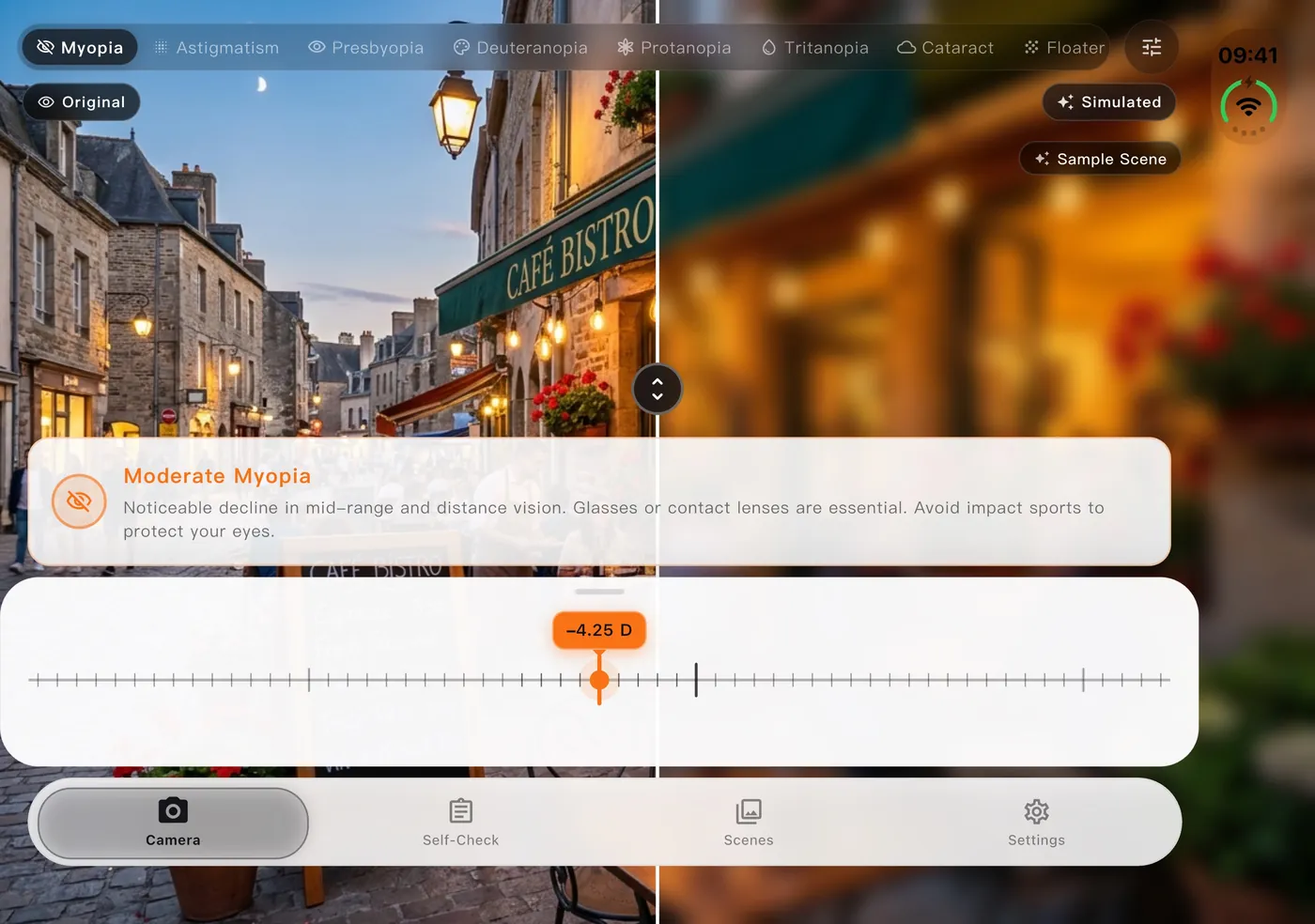
The SightFrame app runs these simulations on your camera in real time — free on iPhone and iPad.
Live camera
Point your camera and see myopia, astigmatism, presbyopia or a colour-vision difference in real time, with a split view.
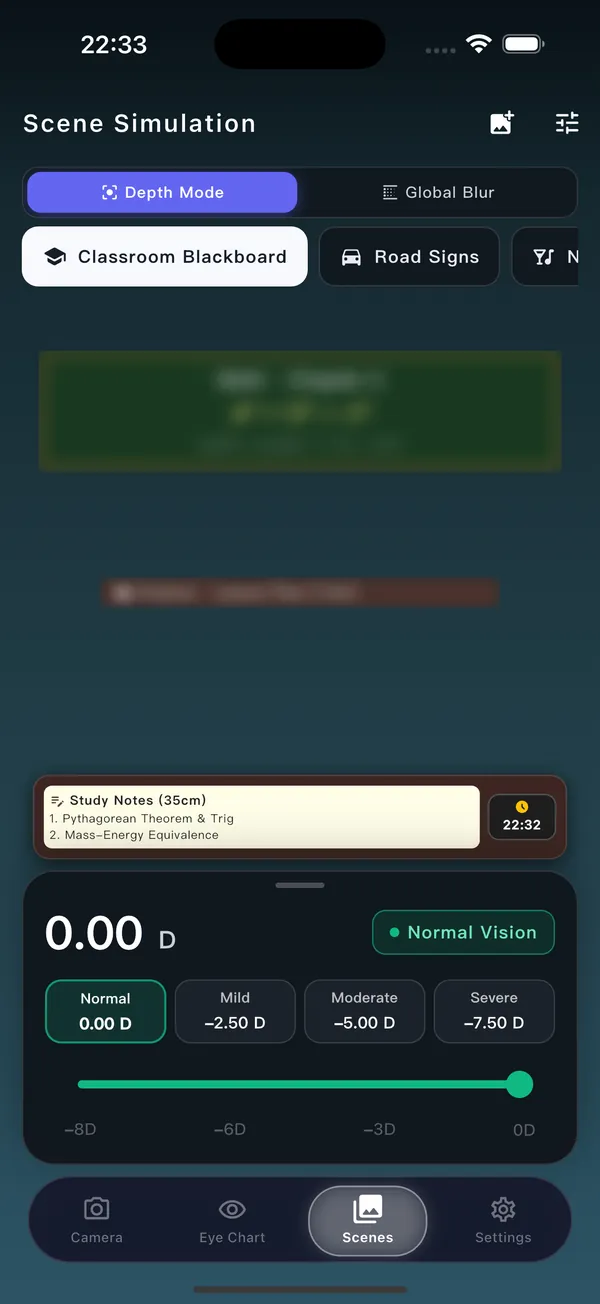
Depth-aware scenes
Shift focus across near, middle and far objects in classroom, road and night scenes.
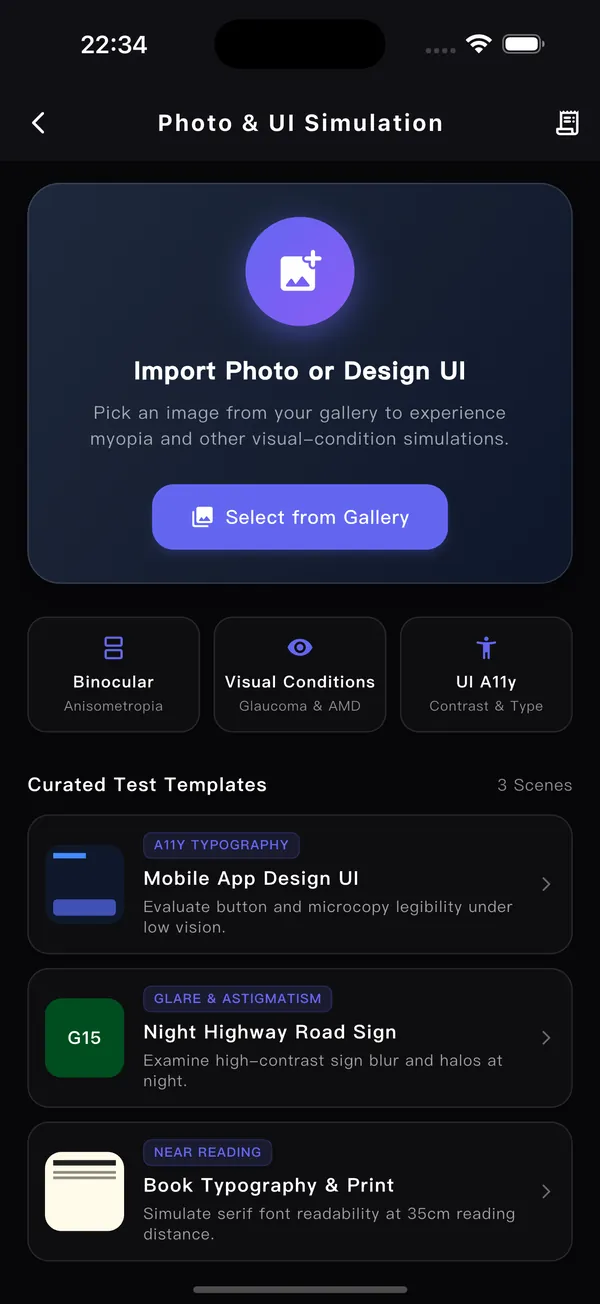
Photos and templates
Import a photo, or start from templates such as a road sign at night or a page of print.
Eye-health reference tools
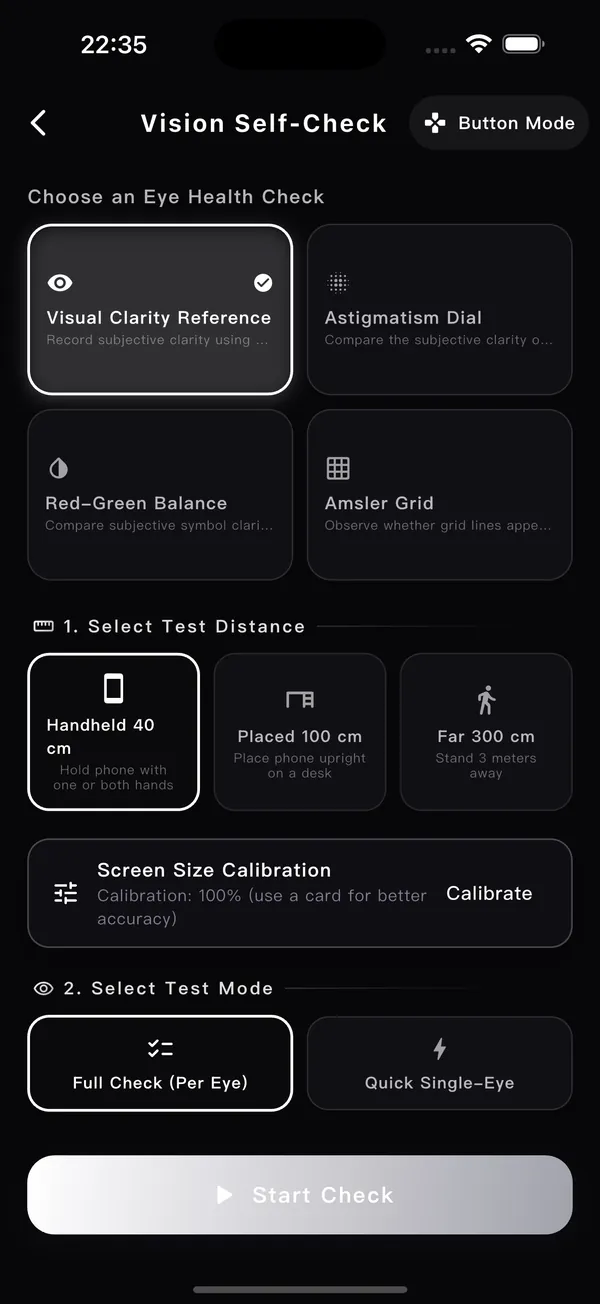
Directional E chart, astigmatism dial, red–green comparison and Amsler grid — for reference, not diagnosis.
Visual breaks
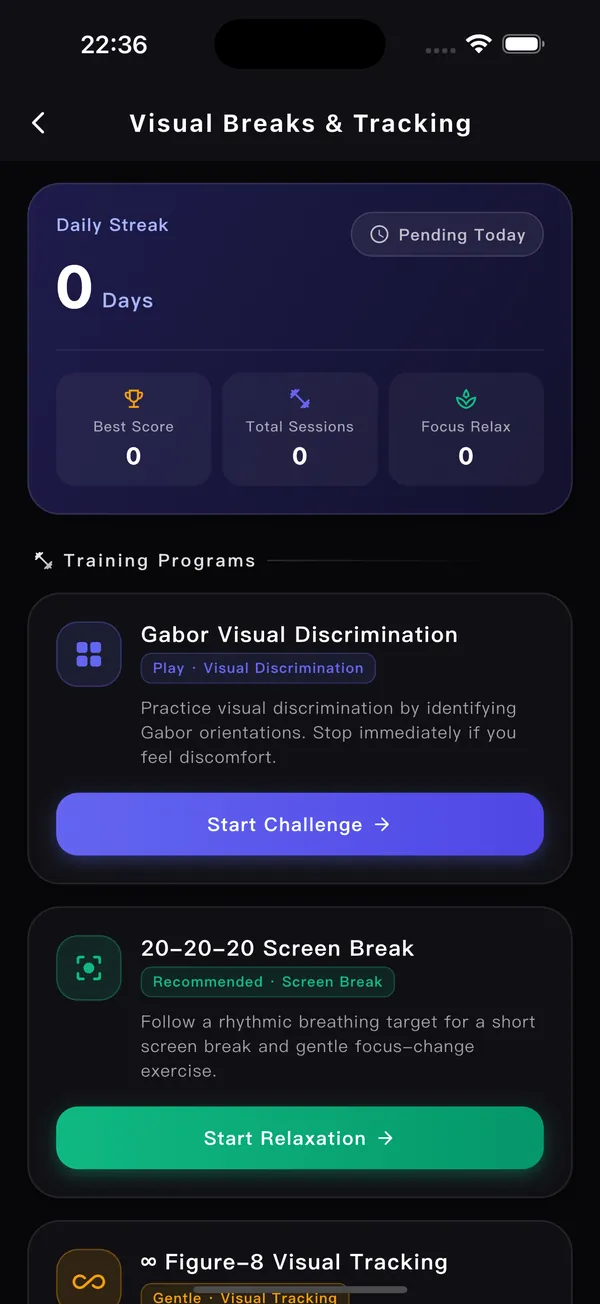
20-20-20 reminders, visual tracking and contrast-sensitivity exercises.
Family records
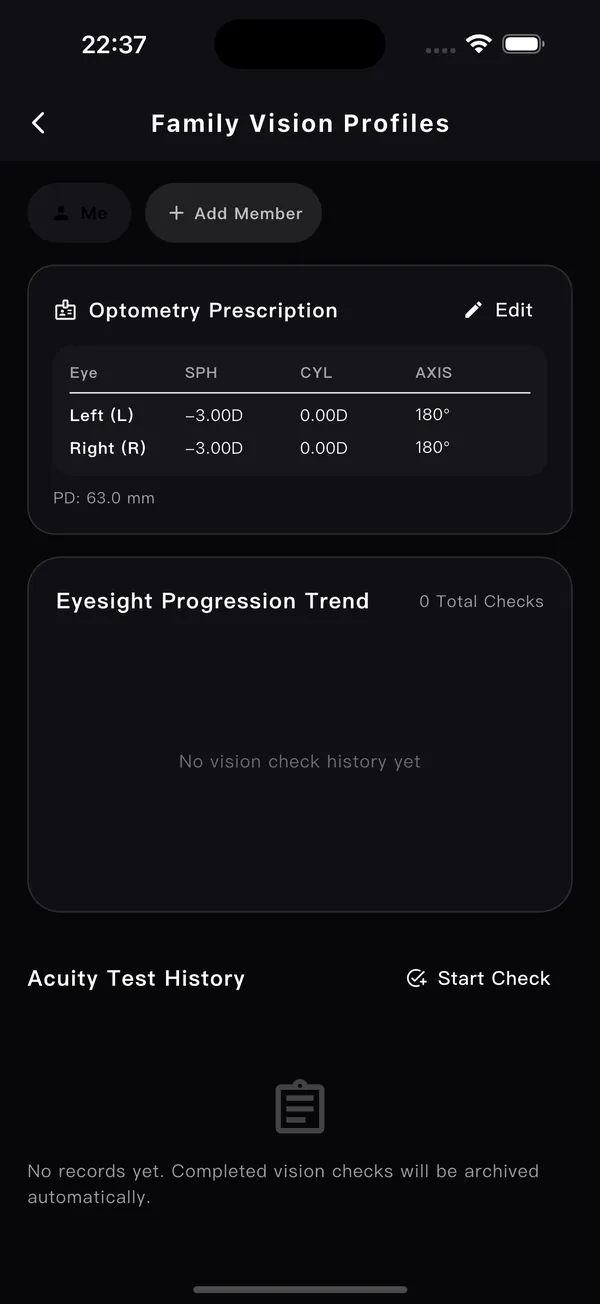
Keep vision changes and prescription details for each family member, stored only on the device.
Camera frames stay on the device. No ads, no cross-app tracking.